How to Evaluate a Norweco Singulair Green System for Your Site

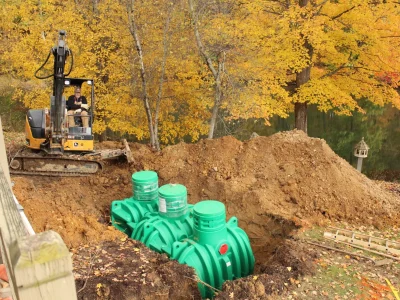
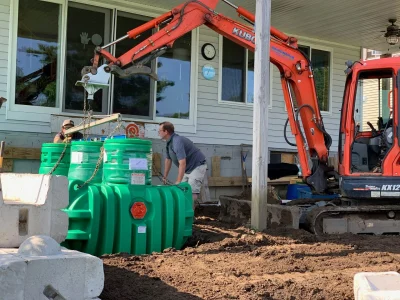
Choosing a treatment system for a rural property is rarely just about picking a tank and moving on. The ground decides a lot. So does the water table, the slope, the available space, the local code official, and the habits of the people who will use the house every day. When someone asks whether a norweco singulair green system is right for their site, the honest answer is that the unit itself is only part of the equation. The stronger question is whether the site, the wastewater strength, and the owner’s expectations line up with what that system does well.
That distinction matters because advanced treatment units can solve real constraints, but they do not erase bad soils, impossible setbacks, or poor maintenance habits. I have seen excellent equipment struggle on sites that were never a good fit, and I have seen difficult lots perform well because the evaluation was careful from the start. The work is less about sales language and more about reading the property accurately.
What the system is actually solving
A Norweco Singulair Green system is generally considered an aerobic treatment approach designed excavatingnj.com norweco singulair green to produce a higher quality effluent than a basic septic tank by itself. That improved effluent can be important when a site has limited soil depth, tighter environmental standards, small dispersal areas, or a sensitive receiving environment. In practical terms, property owners usually look at systems like this when a conventional gravity septic layout is either not permitted or not ideal.
The first mistake many people make is assuming advanced treatment automatically means smaller, cheaper, or easier. Sometimes it does allow a more manageable layout, especially where the local health department accepts reduced dispersal sizing based on treated effluent quality. But the trade-off is operational complexity. You are adding electrical components, air delivery, controls, service needs, and more performance dependence on regular upkeep. For some sites, that is a smart trade. For others, especially remote vacation properties with inconsistent power or owners who resist maintenance contracts, it can be the wrong fit.
Before looking at model details, start with the site constraints that are driving the conversation. If the lot would easily support a conventional trench field with good vertical separation, deep permeable soil, and generous setbacks, then the advanced unit needs a clear reason to justify itself. If the lot is tight, shallow, seasonally wet, or near a water resource, the calculation changes fast.
Start with the soils, not the brochure
Every serious evaluation begins in the dirt. If the soil profile is not understood, everything that follows is guesswork. A norweco singulair green system can improve effluent quality, but it still depends on the receiving environment and the approved method of final dispersal. The soil determines how wastewater moves, how much treatment the site itself can provide, and whether the system can be permitted at all.
On a field visit, I want to know the texture changes with depth, any signs of seasonal saturation, restrictive layers, rock content, and the depth to a limiting condition. A site with sandy loam and good structure behaves very differently from one with dense clay, fragipan, or shallow bedrock. Even two lots on the same road can have opposite outcomes once pits are opened.
Percolation tests still matter in some jurisdictions, but they never tell the whole story by themselves. A percolation number without a proper soil description can be misleading. I have seen sites with acceptable perc results still fail to support a practical design because the seasonal water table rose into the disposal zone every spring. I have also seen conservative owners panic over slower soils that turned out to be perfectly usable once the design accounted for loading rate and elevation.
If you are evaluating a property for this kind of treatment system, do not skip the basic groundwork. A well-documented site evaluation usually saves far more money than it costs because it prevents the wrong design from being pushed too far.
The role of local regulations
No treatment system exists in a vacuum. What the local authority allows is often as important as what the manufacturer’s literature says the unit can do. Some health departments are comfortable with aerobic treatment units and have established design pathways for them. Others are more cautious, require specific approvals, or limit where they can be used. In some regions, the system may need to be paired with a certain type of dispersal field, pressure distribution, drip irrigation, or a raised installation.
This is where owners can get tripped up. They hear that advanced treatment produces cleaner effluent, then assume they can place the field closer to a well, closer to a property line, or in a smaller footprint. Sometimes code does allow certain reductions. Sometimes it does not. The answer belongs to the regulator and the engineer or designer working under that code framework.
A practical site review should include the permit history of the parcel if one exists, any previous soil logs, and the specific setbacks that apply to wells, streams, foundations, cuts, fills, and drainage features. If the lot is part of a waterfront subdivision or a mountain development with marginal building envelopes, these details become critical early.
Flow matters more than people expect
One of the most overlooked parts of evaluating a treatment unit is realistic wastewater flow. People often default to bedroom count because that is how codes are written, but actual flow patterns still matter for system suitability. A family of five that does laundry every day, hosts weekend guests, and uses a whirlpool tub stresses a system differently than a retired couple in the same floor plan.
The question is not only average daily flow. Peak loading matters. So does wastewater strength. A house with a garbage disposal, frequent cooking, and a heavy use of cleaning products can deliver stronger wastewater than a light-use household. A property with an accessory dwelling unit, home business, or short-term rental history may behave more like a commercial site than a standard residence.
Advanced treatment units can perform very well when flows are steady and within design assumptions. They can be less forgiving when the usage pattern is extreme. If you are evaluating norweco singulair green a site for a norweco singulair green installation, look closely at occupancy swings. Vacation homes create one set of concerns. Event properties create another. Multi-generational homes with back-to-back showers and nonstop laundry often expose weaknesses in undersized or poorly distributed disposal areas.
The land around the system matters too
The treatment unit itself may fit on paper, but the property still needs enough functional space for installation, access, and reserve considerations where required. Excavation room, traffic patterns, finished grades, utility conflicts, and future additions all affect whether the design remains workable after construction starts.
A common headache appears when a small lot technically has enough square footage, yet everything else competes for the same area. Driveways, garages, patios, retaining walls, pools, sheds, and drainage swales can quickly consume the usable envelope. I have seen attractive site plans fall apart because the only feasible dispersal area ended up under where the owner wanted to park an RV.
Service access should not be treated as an afterthought. Aerobic systems need inspection and maintenance. If the installer or service provider has to fight a fence, a steep slope, or a decorative landscape every time they need to reach components, that inconvenience eventually becomes neglect. Systems last longer when basic tasks are easy to perform.
Questions worth answering before design moves ahead
When I help review a site, I want clear answers to a short set of practical questions:
- What site limitation is driving the need for advanced treatment instead of a conventional septic approach?
- What are the verified soil and groundwater conditions in the proposed treatment and dispersal areas?
- How much wastewater will the property realistically produce during average and peak use?
- What dispersal method is allowed locally with this treatment level, and how much area will it require?
- Who will maintain the system, and how reliably can power and service access be provided over time?
Those five questions uncover most problems early. If the answers are vague, the project is not ready.
Performance on difficult sites
The reason advanced treatment units earn attention is that they can make tough sites buildable. A parcel with limited native soil depth above a restrictive layer may still support a compliant design when the treatment quality is higher and the dispersal approach is engineered accordingly. Small lots can sometimes benefit where a standard trench layout would be too large or too close to setbacks. Environmentally sensitive areas may require treatment beyond a septic tank before effluent reaches the soil.
That said, a system like the norweco singulair green is not a magic box. If the site floods, if surface water drains directly through the proposed field area, or if the owner intends to compact the disposal area with vehicles, better effluent will not fix those errors. The treatment train and the land application piece need to work together.
One project that sticks in my mind involved a house site on a sloping lot with shallow soils over fractured rock. The owner wanted a simple gravity septic system because the neighboring homes had one. Once the soil pits were opened, it was obvious the subsurface conditions varied sharply across the lot, and the lower area that seemed convenient was the worst possible place to put disposal. The eventual design used advanced treatment and pressure distribution in a much tighter, carefully located area upslope. It cost more up front, but it gave the owner a legal and manageable system where the original idea would likely have failed.
Power, alarms, and owner behavior
A conventional septic tank asks relatively little from the homeowner beyond pumping and common sense. An aerobic treatment system asks for more attention. That does not mean it is fragile, but it does mean the evaluation should include the owner as part of the site. Reliable electrical service is essential. Alarm response matters. Maintenance visits matter. Water use discipline matters more than people think.
This is one reason I hesitate when someone says they want the most advanced system available but also admits they ignore service reminders for everything else they own. The better question is whether the owner’s habits align with the system’s needs. If they do, these units can perform very well. If they do not, the site may suffer from a design that looked sophisticated on paper but was never realistic in practice.
Chemical use is another practical issue. Heavy doses of bleach, solvents, paint rinse, or antibacterial cleaners can disrupt biological treatment. So can dumping grease or food waste into the drain. Most homeowners can adapt once the expectations are explained clearly, but the conversation needs to happen before installation, not after a service call.
Installation conditions can make or break the result
Even a strong design can underperform if installation quality is sloppy. On constrained lots, inches matter. Finished elevations matter. Separation from groundwater matters. The routing of influent and effluent lines matters. I have seen costly systems undermined by poor grading that sent roof runoff toward the treatment area, or by compacted soils in the dispersal zone from equipment traffic.
When evaluating whether the site is a good candidate, consider not just the final system layout but how it will actually be built. Can the contractor get equipment in without damaging the best soils? Will excavation stay stable? Is dewatering likely during construction? Does the site need imported fill or special erosion control? These are not minor details. They often decide whether the field performs well five years later.
If the lot is narrow, steep, or wooded, ask where spoils will go, how materials will be staged, and whether final grading will preserve runoff control. Treatment systems dislike unmanaged stormwater. Soils that are ideal in dry weather can be ruined by bad construction timing during a wet season.
Costs that deserve honest treatment
People evaluating a norweco singulair green system usually focus first on purchase and installation cost. That is fair, but it is only the opening number. Advanced systems typically carry higher long-term expenses than basic septic systems because they need power, periodic service, and occasional component replacement. Blowers, controls, pumps, and alarms do not last forever.
That does not make the system a poor investment. If advanced treatment is what turns a difficult lot into a usable homesite, the value can be obvious. But the owner should understand the full operating picture. A realistic comparison includes installation, permitting, electrical work, service contracts, pumping intervals, replacement parts, and any monitoring required by the local jurisdiction.
I generally advise owners to think in ten-year terms rather than first-year terms. A cheaper design that strains the site or invites regulatory trouble is rarely the bargain it appears to be. At the same time, paying for advanced treatment on a site that never needed it can be unnecessary complexity.
Warning signs during evaluation
Certain patterns tend to predict trouble. If several appear at once, slow down before committing to a system choice.
- Soil information is incomplete, outdated, or based on nearby lots instead of the actual property.
- The proposed treatment area also serves as a drainage path for roof water, driveway runoff, or upslope seepage.
- The owner expects reduced maintenance despite the use of an electrically powered treatment system.
- The usable area is so tight that future repairs or reserve space become unrealistic.
- The design depends on assumptions about occupancy or water use that do not match how the property will actually be used.
None of these automatically rules out the project. They do indicate that the evaluation needs to be more rigorous.
Matching the system to the property, not the other way around
One of the most useful shifts in these conversations is moving away from brand-first thinking. Owners often start with a product name because they heard about it from a builder, neighbor, or dealer. That is understandable. Still, the property should lead the decision. A system earns its place when it solves a real site problem under the local code structure and with an owner who can support it over time.
For some parcels, the norweco singulair green route may fit very well because treatment quality opens doors that a standard system cannot. For others, a simpler conventional or pressure-dosed septic design may be more robust and cost-effective. The best answer is not the most advanced answer. It is the one that balances treatment need, site capacity, installation realities, service access, and long-term ownership.
A thoughtful evaluation usually leaves you with a few clear truths. You know what the land will support. You know what the regulator will allow. You know whether the wastewater volume and strength are ordinary or demanding. And you know whether the owner is prepared for the maintenance side of the bargain. Once those facts are on the table, the decision becomes far easier and far less emotional.
That is how these systems should be chosen. Not because a brochure looks impressive, and not because a contractor says it can fit, but because the site data, design logic, and ownership plan all point in the same direction. When that happens, an advanced treatment system can be a smart, durable solution. When it does not, the wiser move is often to pause, revise, and let the site tell you what it needs.
Excavating New Jersey LLC
406 County Rd 565, Wantage, NJ 07461, United States
+1 973-791-4284
FAQ About norweco singulair green
How much does a NORWECO septic system cost?
The installed cost depends on the selected unit, engineering, site access, excavation, electrical work, disposal-field design and required approvals. A tank-only price is not a complete installation quote. Ask Excavating New Jersey LLC for a site-specific, itemized estimate that also explains ongoing service costs.
How does a Norweco septic system work?
The Singulair Green uses pretreatment, aeration, clarification and filtration to treat domestic wastewater. In the aeration chamber, oxygen supports bacteria that break down organic material. The Bio-Kinetic unit provides further filtration and flow equalization. Final effluent disposal must follow the property's approved design and applicable requirements.
What is the average lifespan of a septic system?
There is no guaranteed lifespan for every system. Design, installation, soil conditions, wastewater loading and regular maintenance all matter, and mechanical parts may need replacement before the tank. For a Singulair Green system, follow the manufacturer's service schedule and have a qualified provider assess its condition and pumping needs.