Norweco Singulair Green and Advanced Wastewater Treatment Benefits
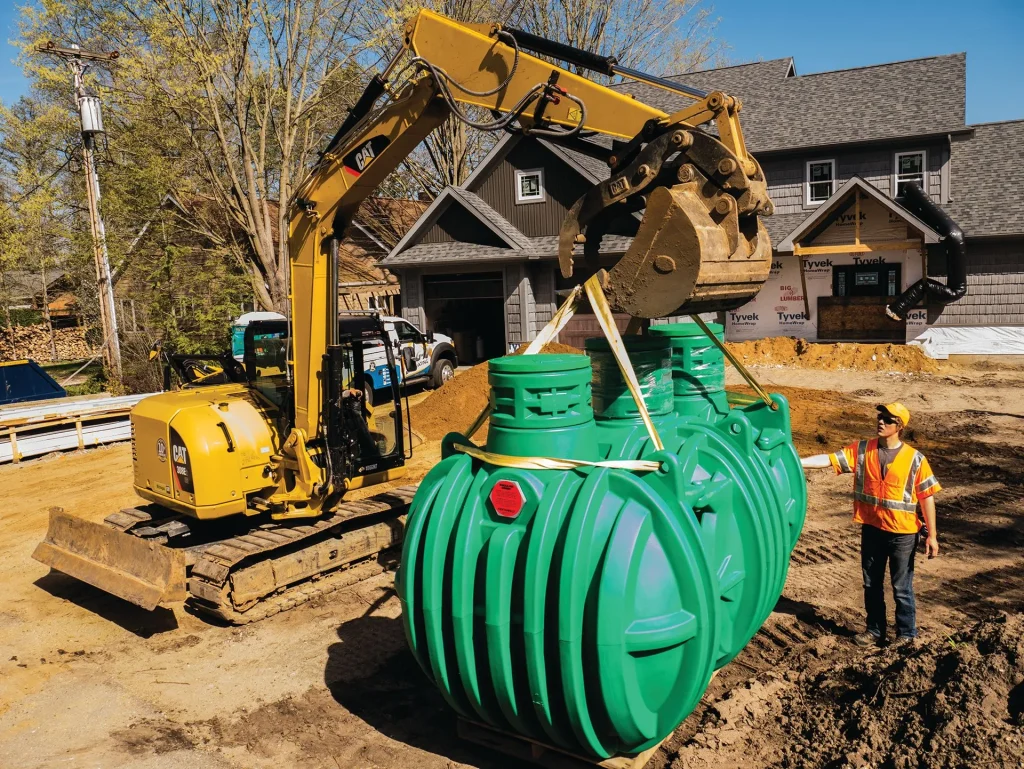
Wastewater treatment tends to stay invisible until a property owner runs into a hard limit. A conventional septic system may not fit the lot. Soil conditions may be poor. A site may sit near a lake, stream, or other sensitive receiving area where regulators expect a cleaner effluent than a standard tank and drainfield can reliably deliver on their own. That is where advanced onsite treatment enters the conversation, and where systems like the norweco singulair green often come up.
I have seen this choice made for three very different reasons. One homeowner needed a system that could work on a small parcel with tight setbacks. Another was replacing a failing older setup near a waterfront property, where water quality concerns were not theoretical, they were visible every summer in algae growth and beach closures. A third case involved a new rural home where the county simply would not approve a basic septic design because the native soil was too shallow over rock. In each case, the owner was not shopping for technology for its own sake. They were trying to solve a site problem without creating a long-term maintenance headache.
That practical lens matters. Advanced wastewater treatment should be judged less by marketing language and more by what it does on a property over time, how consistently it performs, what it asks of the owner, and how well it aligns with the rules in the local health department or environmental agency.
What the Norweco Singulair Green is meant to do
The norweco singulair green is designed as an advanced onsite wastewater treatment system for residential or light commercial use, depending on configuration and local approval. At its core, it goes beyond simple septic settling. Instead of relying mostly on passive separation and soil polishing, it uses an aerobic treatment process to reduce organic matter more aggressively before the water reaches final dispersal.
That difference is not small. In a conventional septic tank, solids settle, grease rises, and partially clarified wastewater flows onward to a soil treatment area. The real treatment burden falls heavily on the drainfield and the surrounding soil. In an aerobic treatment unit, air is introduced to support bacteria that thrive in oxygen-rich conditions. Those organisms break down waste more actively, often producing an effluent that is clearer and lower in pollutants than what leaves a basic septic tank.
The result is not drinking water, and no responsible installer or manufacturer should imply that it is. But the treatment level can be substantially higher than conventional primary treatment, which is exactly why these systems are often considered for challenging sites.
The system name itself can lead some buyers to focus on the word “green” as a branding cue. The more useful question is what environmental benefit that label corresponds to in practice. Usually it points to improved treatment performance, reduced burden on the dispersal field, and in some applications a smaller environmental footprint on constrained lots. Those are meaningful benefits when they are matched to the site and maintained properly.
Why advanced treatment changes the equation on difficult lots
A surprising number of properties are poor candidates for ordinary septic design. Clay soils percolate slowly. Sandy soils may accept water quickly but offer less treatment margin in some cases. High seasonal groundwater limits vertical separation. Bedrock near the surface can force shallow installations. Then there are legal setbacks from wells, ditches, surface water, and neighboring structures, all of which can shrink the usable area.
On these properties, better treatment at the front end can create options. If wastewater reaches the soil in a cleaner state, the final dispersal system may be able to work within conditions that would otherwise be marginal or unacceptable, subject to local code. That does not mean an advanced unit is a magic pass for every site. It means it may improve the design toolbox.
I have seen owners assume that “advanced treatment” automatically means “smaller drainfield.” Sometimes it does. Sometimes it allows a different dispersal method, such as shallow narrow trenches or pressure distribution, that fits the site more sensibly. Sometimes the benefit is not area reduction at all, but improved compliance with nutrient or effluent quality requirements. The key point is that advanced treatment expands the number of viable solutions. For a tight or environmentally sensitive parcel, that can be the difference between a buildable lot and a costly redesign.
Effluent quality is the real story
If you strip away the product names and installer preferences, the value of an advanced treatment system comes down to effluent quality. Cleaner effluent generally means less suspended material, lower biochemical oxygen demand, and more stable performance entering the final disposal area. Those terms sound technical, but the field impact is straightforward.
When wastewater carries fewer solids and less untreated organic load into the dispersal area, the soil interface tends to be under less stress. That can help preserve infiltration capacity and reduce the risk of premature drainfield trouble. It is not a guarantee against failure, because hydraulic overload, poor installation, root intrusion, and neglect can still cause problems. Still, lower-strength effluent is a meaningful advantage.
This matters even more on properties near water. Nutrients, pathogens, and oxygen-depleting organic matter all become more serious concerns where shallow groundwater or short travel distances increase the chance that contaminants will move offsite. Local jurisdictions often respond by requiring enhanced treatment in these settings, and for good reason. The cost of a stronger treatment system is easier to justify when the alternative is ongoing impact to a shared water resource.
A better fit for variable occupancy than many people expect
One concern that comes up often is whether an aerobic system can handle real household use, not idealized lab use. Families leave for a week, come back with guests, host holidays, then go quiet again. Vacation homes sit empty and then fill norweco singulair green to capacity. Any wastewater system that cannot tolerate those swings becomes a burden.
This is where design quality and service support matter as much as raw treatment concept. A well-designed aerobic treatment system is built for intermittent use patterns common in homes, though there are limits. Long periods of vacancy, repeated hydraulic surges, or non-residential loading can affect performance. Still, many modern residential treatment units are far more resilient than people assume.
The more important question is whether the system is matched to the expected flow and usage style. A small household that suddenly becomes a short-term rental without redesign or management oversight can stress almost any onsite system, conventional or advanced. On the other hand, a properly sized system serving a typical family often runs very steadily when routine service is not skipped.
I once visited a property where the owner blamed the treatment unit for odors and alarms after a holiday weekend. The real issue was not the equipment. Guests had sent wipes, grease, and a heavy dose of disinfectant down the drains. Advanced systems are effective, but they still depend on biology. If you repeatedly poison or physically clog that biology, performance suffers.
The strongest environmental benefit is often the least glamorous
People are naturally drawn to visible benefits, a greener lawn, no odors, a smaller footprint. The most important environmental gain is often much less dramatic: better protection of groundwater and nearby surface water over time.
That protection comes from several overlapping effects. First, improved treatment reduces the amount of organic matter and suspended solids leaving the unit. Second, cleaner effluent can improve the performance of the downstream dispersal area, helping soil treatment do its job under less strain. Third, where local design standards incorporate advanced treatment into setback, loading, or nutrient management rules, the entire site plan can become more protective.
For communities with many homes on small lots or near shared shorelines, that cumulative effect matters. One poorly performing septic system might not visibly alter a lake by itself. Fifty or one hundred aging or overloaded systems in the same watershed can. That is why advanced onsite treatment is increasingly part of the discussion in areas trying to balance rural living with water quality protection.
What owners should expect from maintenance
The trade-off is simple. A system that does more usually asks more in return.
A conventional septic tank is not maintenance-free, despite how often it is treated that way. It still needs pumping, inspections, and reasonable water use. An advanced aerobic system adds mechanical and operational components, which means scheduled service becomes more important. Depending on the jurisdiction and service agreement, that may include inspection of aeration equipment, sludge levels, alarms, electrical components, filters, and the quality of treated effluent.
That added attention should not be viewed as a flaw. It is part of the performance model. If a homeowner wants higher treatment on a difficult lot, ongoing verification is a fair exchange. Problems are often caught earlier on systems that are regularly serviced, which can prevent more expensive failures later.
The owners who do best with advanced systems are usually the ones who treat the maintenance plan as part of the ownership cost from day one. The owners who struggle are often those who buy the equipment to secure a permit, then mentally file it under “done forever.” Wastewater systems do not reward that mindset.
Where the economics make sense
Advanced treatment systems cost more upfront than a basic tank and gravity drainfield in many cases. There is no value in pretending otherwise. Equipment, controls, installation complexity, electrical work, and required service contracts all affect the budget. Yet cost comparisons can be misleading if they ignore site constraints.
If a conventional design would require major imported fill, extensive site regrading, a pump system, or a very large dispersal area that disrupts the lot plan, the gap narrows. If a standard system is not approvable at all, then the relevant comparison is not “cheap versus expensive.” It is “buildable versus not buildable,” or “replacement with compliance versus repeated patching of a failing system.”
Over the life of the property, owners should think in terms of total system value. That includes performance, regulatory acceptance, repair risk, service cost, and potential effects on resale. Buyers and lenders are increasingly aware of onsite wastewater issues, especially in sensitive regions. A properly permitted and documented advanced system can be a strength, provided the owner has kept records and service history.
Installation quality matters more than the brochure
One lesson that repeats across the onsite industry is that even very good equipment cannot overcome poor installation. Tank elevation, watertight connections, proper backfill, venting, electrical reliability, access for service, and the design of the final dispersal field all shape performance.
This is especially true with advanced treatment. The treatment unit is only one part of the train. Pretreatment, hydraulic loading, pump controls if present, and the final discharge or dispersal method all need to work together. A system can produce excellent effluent and still disappoint if the downstream field is undersized, poorly distributed, or installed in damaged soil.
When owners ask what they should vet before choosing a contractor, I point them toward a few fundamentals:
- Confirm that the proposed system is approved for your jurisdiction and your site conditions.
- Ask who will provide ongoing service, not just who will install it.
- Review the full treatment and dispersal design, not only the tank model.
- Get a clear explanation of alarms, owner responsibilities, and expected service intervals.
- Keep as-built drawings, permits, and maintenance records from the start.
Those basics prevent a lot of regret. A polished sales pitch is much less useful than a contractor who can explain how the system behaves in wet spring conditions, during a power interruption, or after a month of low occupancy.
Everyday benefits owners actually notice
Most treatment performance happens out of sight, but owners do notice practical day-to-day differences when a system is working well. Odor control is one. A struggling norweco singulair green septic system often announces itself early with smell around the tank, field, or plumbing fixtures. Better treatment and regular service can reduce that risk, though any sudden odor issue should still be investigated.
Another is site flexibility. On some projects, the use of a system like the norweco singulair green can preserve more usable yard area or allow a house layout that would otherwise be difficult. This is not universal, and it depends heavily on code, lot geometry, and the approved dispersal method. Still, homeowners are often surprised by how much the wastewater design influences everything from driveway placement to future outbuildings.
There is also a quieter benefit: predictability. Owners who move from an old failing system to a properly designed advanced unit often describe relief more than excitement. No soggy patches. No emergency pumping every time relatives visit. No vague worry each spring when the groundwater rises. Wastewater treatment is not glamorous, but reliability improves the experience of living on the property.
Power use, alarms, and the reality of operation
Because advanced aerobic systems use mechanical components, they require electricity. That fact alone causes some buyers to hesitate. In fairness, it should. Any electrically dependent treatment system introduces a small but real operating cost and another potential point of failure.
The good news is that power consumption for residential treatment equipment is usually modest compared with major household loads, though exact use depends on model and operation. The more important issue is what happens when power is interrupted. Systems are generally designed with storage volume and controls that help bridge short outages, but they are not meant for indefinite operation without electricity. On properties with frequent outages, it is worth discussing resilience options and owner response procedures in advance.
Alarms are another feature that owners initially dislike and later appreciate. A visible or audible alarm is not there to annoy the household. It is there to tell you that a pump, aerator, or water level condition needs attention before it becomes a sanitary problem. In my experience, the households that respond quickly to alarms tend to have long, uneventful system life. The ones that silence an alarm and forget it are the ones who end up paying for emergency service at the least convenient time.
Not every property needs this level of treatment
It is easy to overcorrect and speak as though every rural home should have advanced wastewater treatment. That would not be accurate. Many properties with suitable soils, adequate separation, and proper space can be well served by a conventional system installed correctly and maintained responsibly.
The case for an advanced system becomes stronger when one or more of the following is true:
- The site has poor soils, shallow rock, high groundwater, or tight setbacks.
- Local regulations require enhanced treatment due to environmental sensitivity.
- A replacement system must fit where an older failing system has little room to spare.
- The owner wants more treatment margin for a property near water or a private well.
- The design team needs flexibility to make the overall site plan work.
That is where the norweco singulair green and similar systems earn their place. They are not a universal upgrade. They are a targeted solution for properties where ordinary septic treatment is inadequate, risky, or disallowed.
Questions worth asking before you commit
Before selecting any advanced treatment unit, spend time on the site-specific questions rather than the branding. Ask what treatment standard the local authority expects. Ask whether there is a required service contract. Ask how often the unit should be inspected and pumped under expected occupancy. Ask what owner behavior can interfere with treatment, including harsh chemicals, wipes, grease, water softener discharge where relevant, and hydraulic overload from leaks or fixtures.
It is also wise to ask about the support network. Some systems are excellent on paper but harder to live with if local service is thin. A system with a strong regional installer and service presence often proves more practical than one that looks equivalent in a spec sheet but lacks nearby support.
Finally, ask for realism. A trustworthy designer or installer will not promise that advanced treatment eliminates maintenance, never needs pumping, or solves every poor-site condition. They will explain what the system does well, where it fits, and what ownership looks like over ten or twenty years.
Why this system keeps coming up in serious septic conversations
The reason products like the norweco singulair green stay relevant is not hype. It is that the onsite wastewater landscape has changed. More homes are built on marginal lots. More communities care about nutrient loading and groundwater protection. More aging septic systems need replacement on parcels that were subdivided long before current environmental standards took shape.
In that environment, advanced treatment is not a luxury category. It is often the practical middle ground between unrealistic conventional designs and far more expensive centralized infrastructure. A well-selected, well-installed, and well-serviced treatment unit can give a property a compliant path forward while protecting the land and water around it more effectively than a basic system could.
That is the real benefit. Not novelty, not gadget appeal, and not a green label by itself. Better treatment where better treatment is genuinely needed, paired with a maintenance model that keeps performance from drifting out of sight and out of mind. For the right property, that is a very worthwhile exchange.
Excavating New Jersey LLC
406 County Rd 565, Wantage, NJ 07461, United States
+1 973-791-4284
FAQ About norweco singulair green
How much does a NORWECO septic system cost?
The installed cost depends on the selected unit, engineering, site access, excavation, electrical work, disposal-field design and required approvals. A tank-only price is not a complete installation quote. Ask Excavating New Jersey LLC for a site-specific, itemized estimate that also explains ongoing service costs.
How does a Norweco septic system work?
The Singulair Green uses pretreatment, aeration, clarification and filtration to treat domestic wastewater. In the aeration chamber, oxygen supports bacteria that break down organic material. The Bio-Kinetic unit provides further filtration and flow equalization. Final effluent disposal must follow the property's approved design and applicable requirements.
What is the average lifespan of a septic system?
There is no guaranteed lifespan for every system. Design, installation, soil conditions, wastewater loading and regular maintenance all matter, and mechanical parts may need replacement before the tank. For a Singulair Green system, follow the manufacturer's service schedule and have a qualified provider assess its condition and pumping needs.