Norweco Singulair Green Maintenance Tips for Long-Term Performance
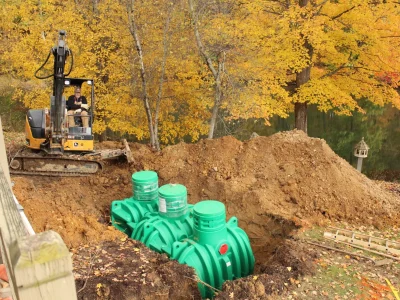
A Norweco Singulair Green system can run for many years with stable treatment quality, but it does not stay healthy on neglect alone. Owners sometimes assume that because the tank is buried and the controls are simple, the whole system is more or less self-managing. That is rarely true. Aerobic treatment units reward attention. They also punish carelessness in quiet, expensive ways, from nuisance odors to premature component failure to poor effluent quality that may not become obvious until a service technician opens the lid.
The good news is that long-term performance usually comes down to a handful of sensible habits. In the field, the systems that age well are not always on perfect sites or serving perfect households. They are the ones with owners who understand what the equipment is trying to do and what gets in its way. That matters with the norweco singulair green because it blends biological treatment, mechanical aeration, clarification, and disinfection into one process. When one part falls behind, the others feel it.
If you want dependable operation, lower repair risk, and fewer unpleasant surprises, maintenance has to be treated as part of ownership, not a reaction to alarms.
What makes this system different from a basic septic tank
A conventional septic tank mostly separates solids and lets partially treated wastewater move on to further disposal. A Singulair Green system does more. It uses aerobic treatment, which means oxygen is deliberately introduced to support bacteria that break down waste more efficiently than anaerobic conditions alone. In practical terms, that usually means cleaner effluent, but it also means more moving parts and more sensitivity to household habits.
The aerator is central. It keeps oxygen moving into the treatment process and helps maintain the biological activity the unit depends on. Clarification follows, allowing solids to settle so they do not carry over downstream. Depending on the specific installation, the system may also include disinfection and a discharge arrangement that is subject to local rules. Each stage has its own maintenance implications.
What owners often miss is that biological treatment is not a switch that stays on forever. It is a living process. If the system is overloaded, starved of oxygen, hit with harsh chemicals, or left with unchecked sludge buildup, treatment quality drops. Sometimes it drops fast. Sometimes it declines so gradually that nobody notices until there is odor, surfacing water, or a failed inspection.
The first priority, protect the biology
Mechanical maintenance gets most of the attention because motors, alarms, and filters norweco singulair green Excavating New Jersey LLC are tangible. The microbial community in the tank deserves just as much respect. A healthy aerobic biomass is doing the actual treatment work. Every routine you follow should support that biology rather than disrupt it.
That starts inside the home. Water use patterns matter more than many people expect. A sudden flood of laundry loads, several back-to-back showers, and a long dishwasher cycle can push a small residential treatment unit harder than the daily total suggests. Even if the total volume is technically within design range, timing matters. Short, intense surges reduce settling time and can wash solids forward.
Cleaning products are another common issue. Reasonable household use of standard products is usually manageable. Repeated dumping of bleach, disinfectants, paint rinse water, solvents, drain openers, or antibacterial concentrates is not. I have seen systems recover after mild chemical abuse, but recovery can take time, and during that period treatment is inconsistent. If someone in the house likes to sanitize everything with heavy chlorine doses, the tank often tells the story before the homeowner does.
Garbage disposals deserve caution too. Food waste increases solids and organic loading. A system may tolerate occasional use, but habitual disposal of scraps, grease, coffee grounds, and fibrous vegetables shortens the interval before pumping and raises the chance of downstream carryover. The same is true for so-called flushable wipes, paper towels, feminine hygiene products, and other items that never should have been sent into the tank in the first place.
Water management is maintenance, even when it does not look like it
Most owners think of maintenance as something done at the tank. In reality, your plumbing habits are part of maintenance. If you reduce hydraulic stress, you improve performance and extend service life.
Staggering water use is one of the simplest ways to help the norweco singulair green. Spread laundry through the week. Repair leaking toilets promptly. Replace dripping faucets if they contribute meaningful daily volume. If a house has periodic guests, remember that a holiday weekend creates a very different loading pattern than ordinary weekday use.
Seasonal occupancy creates its own complications. A house that sits empty for long stretches and then fills up suddenly may see temporary treatment instability. The biology can adapt, but dramatic swings are rarely ideal. If you have a vacation property, it is worth asking your service provider how to manage idle periods and startup conditions for your specific configuration.
Groundwater and stormwater also matter. Tank lids, risers, and access points should remain secure and watertight. Surface drainage should move away from the system area. Excess infiltration can dilute wastewater, disrupt retention time, and burden the treatment train. Effluent disposal areas suffer too when outside water enters where it does not belong.
Routine observation catches problems early
Owners do not need to become service technicians, but they should know what normal looks like. The systems that avoid major repairs often have owners who notice small changes early. A faint new odor near the tank. An alarm that chirps once and then stops. A patch of grass over the dispersal area that stays greener than the rest. These details matter.
Once a month, take a few minutes to observe the site. You are not trying to diagnose every possibility. You are looking for drift from normal conditions. Listen for the aerator if your setup makes that possible. Note whether alarm panels are showing normal status. Look for standing water, soggy soil, or unusual odors around the treatment unit and discharge or disposal area. Indoors, pay attention to slow drains or gurgling fixtures if those are not normal for the home.
One homeowner I worked with avoided a much larger service bill simply because she noticed her alarm light after a thunderstorm and called promptly. The issue turned out to be electrical and relatively minor. Had the unit stayed without proper aeration for weeks, the biological setback and solids movement would have made the visit much more involved.
The service schedule is not optional
Many aerobic systems are installed with required service intervals, and even where regulations are looser, skipping professional inspection is a false economy. A trained technician checks items that owners cannot reliably assess from outside. That includes component wear, sludge and scum accumulation, aeration performance, control operation, and treatment quality indicators within the limits of field service practice.
Pumping frequency is one of the most misunderstood subjects. There is no honest one-size-fits-all answer. Household size, water use, garbage disposal habits, and actual solids accumulation all matter. Some homes may need pumping on a relatively short cycle, while others can go longer. What matters is measurement and inspection, not guesswork. Waiting until there is a symptom is too late. By then, solids may already have moved where they should not.
A good service visit should leave you with more than a bill. You should know whether the unit is operating normally, whether sludge levels are acceptable, whether any components are wearing out, and whether your household habits are helping or hurting the system. If your technician never explains anything, ask questions. A few practical answers now can prevent repeated callouts later.
The parts owners should never ignore
Some components are easy to forget because they sit quietly until they fail. With aerobic treatment, that is a mistake. Certain parts do a lot of work behind the scenes, and their condition has an outsized effect on performance.
- Aerator and air delivery components should be checked regularly for proper operation, wear, and blockage.
- Alarms and control panels should be tested as recommended so you know they will alert you when something changes.
- Filters, screens, or related flow-control elements need cleaning or inspection on the schedule specified for the installation.
- Access lids, risers, and seals should remain secure, intact, and protected from damage or infiltration.
- Disinfection components, where installed and permitted, should be maintained exactly as directed for that system and local code.
That list looks simple, but it covers the items most often involved when a system goes from routine operation to expensive troubleshooting. The reason is straightforward. Aeration, flow control, and warning systems all sit near the center of treatment reliability. If they are neglected, the rest of the unit cannot compensate indefinitely.
Sludge management is where long-term owners separate themselves
The quiet enemy of treatment performance is accumulated solids. A system can seem to be functioning while sludge and scum levels slowly steal effective treatment volume. Once that happens, settling suffers, biological conditions become less stable, and solids can begin to carry forward. Every downstream component pays for it.
This is why pumping should be based on inspection, not optimism. I have heard homeowners say, “It still drains fine, so it must be okay.” Drainage speed inside the house is not a trustworthy indicator of treatment condition inside the tank. The unit can be overloaded with solids and still accept water from the house.
There is also a trade-off that deserves mention. Overpumping without reason is wasteful, but stretching intervals too long costs more in the end. The sweet spot is an informed schedule shaped by actual sludge accumulation and service records. If you have just purchased a home with a norweco singulair green and no meaningful maintenance history, one of the smartest first steps is a full inspection to establish a baseline.
What not to send down the drain
Most treatment failures tied to owner behavior start with the same assumption, that if water can carry it, the tank can handle it. That is not how these systems work. Aerobic units are resilient within normal residential use, but they are not disposal devices for every liquid and solid in a household.
Fats, oils, and grease are especially troublesome. They cool, thicken, and interfere with normal separation. Large doses of bleach or disinfectant can suppress the bacteria doing the treatment work. Medications and personal care products enter all wastewater systems to some degree, but disposing of expired medicines by flushing them is poor practice for both treatment performance and environmental reasons. Paints, thinners, pesticides, and automotive fluids are obvious no-go materials, yet they still turn up in systems more often than people admit.
Even products marketed as septic safe should be treated skeptically. That phrase often means only that the product can physically pass through plumbing, not that it supports the biological and mechanical realities of an aerobic treatment system.
Seasonal care and site conditions
Weather affects these systems more than many owners realize. Heavy rains can saturate soils, alter drainage patterns, and make it harder to spot early seepage or surfacing issues. Extended power outages can interrupt aeration, which directly affects treatment quality. Cold climates introduce concerns about exposed piping, shallow components, and homes with intermittent winter use.
During wet seasons, keep an eye on runoff patterns. Roof drains, sump discharges, and landscape grading should not direct water toward the treatment area. Avoid driving vehicles over the tank or disposal field in any season, but especially when soils are wet and vulnerable to compaction. Compacted soil limits oxygen transfer and water movement, and repeated loading can damage buried components.
If power outages are common where you live, talk with your service provider about realistic expectations after outages and whether any restart checks are wise following prolonged interruptions. Some systems recover quickly. Others benefit from a closer look if aeration has been down for an extended period.
Signs that deserve a service call
There is a difference between routine observation and amateur repair. Once symptoms appear, owners are usually better served by calling a qualified provider than by guessing.
- Persistent sewage or sulfur-like odors near the unit, venting points, or disposal area
- Alarm lights, buzzers, or control indicators showing fault conditions
- Slow fixtures throughout the house, especially if paired with wet ground outside
- Standing water, unusually lush growth, or soggy soil near the system area
- A noticeable change in sound from the aerator or complete silence where sound is normally present
Those signs do not always point to the same underlying problem. Odors may reflect aeration trouble, overloading, venting issues, or sludge buildup. Wet areas could indicate disposal limitations, leaks, or carryover. The point is not to self-diagnose perfectly. The point is to respond while the problem is still smaller.
Why records matter more than people think
A treatment unit with no maintenance record is harder and more expensive to manage. Service dates, pumping dates, alarm events, repairs, and observed issues help establish patterns. They also give future technicians a starting point. Without that history, every visit begins closer to zero.
Good records become especially valuable when homes change hands. Buyers increasingly ask about wastewater systems, and they should. If you can show consistent service and reasonable care, you reduce uncertainty. That has practical value. It also encourages better ownership habits because a written record makes neglect harder to rationalize.
A simple folder, paper or digital, is enough. Keep invoices, inspection notes, permit documents, and any site drawings you have. If a technician mentions a component that may need replacement in a year or two, write that down. The owner who plans for wear parts almost always spends less than the owner who waits for failure.
Landscaping, traffic, and the hidden causes of damage
Some of the worst long-term problems have little to do with what goes down the drain. They come from what happens above the system. Deep-rooted trees and shrubs can invade or interfere with buried infrastructure over time. Vehicles, trailers, heavy equipment, and even repeated mowing with large machinery can compact soils or damage lids and risers. Home improvement projects sometimes bury access points, alter drainage, or route runoff toward the system by accident.
Treat the area over and around the system as utility space, not open invitation. Grass is usually a safer choice than aggressive plantings. If you want to landscape nearby, choose shallow-rooted options and confirm setbacks first. Before adding patios, sheds, retaining walls, or fill dirt, verify where every component sits. A surprising number of expensive service calls begin with the sentence, “We did some yard work last month.”
Long-term performance is mostly ordinary discipline
People sometimes look for a secret to making an aerobic treatment unit last. There really is not one. The owners who get the best life from a norweco singulair green tend to do ordinary things consistently. They limit what enters the system, spread out water use, keep service appointments, respond to alarms, and protect the installation area from physical damage. They do not treat symptoms with wishful thinking. They do not postpone pumping because the yard looks normal. They respect the fact that wastewater treatment is happening at home every day, whether they think about it or not.
That kind of discipline pays off quietly. The system stays odor-free. Effluent quality remains more stable. Repairs are more often planned than urgent. Service visits become shorter and more routine because the technician is maintaining a healthy unit rather than trying to rescue a neglected one.
For most owners, that is the real goal. Not perfection, just steady performance over the long run. If you build your maintenance habits around biology, hydraulics, inspection, and timely service, the system has a very good chance of rewarding you with exactly that.
Excavating New Jersey LLC
406 County Rd 565, Wantage, NJ 07461, United States
+1 973-791-4284
FAQ About norweco singulair green
How much does a NORWECO septic system cost?
The installed cost depends on the selected unit, engineering, site access, excavation, electrical work, disposal-field design and required approvals. A tank-only price is not a complete installation quote. Ask Excavating New Jersey LLC for a site-specific, itemized estimate that also explains ongoing service costs.
How does a Norweco septic system work?
The Singulair Green uses pretreatment, aeration, clarification and filtration to treat domestic wastewater. In the aeration chamber, oxygen supports bacteria that break down organic material. The Bio-Kinetic unit provides further filtration and flow equalization. Final effluent disposal must follow the property's approved design and applicable requirements.
What is the average lifespan of a septic system?
There is no guaranteed lifespan for every system. Design, installation, soil conditions, wastewater loading and regular maintenance all matter, and mechanical parts may need replacement before the tank. For a Singulair Green system, follow the manufacturer's service schedule and have a qualified provider assess its condition and pumping needs.