Norweco Singulair Green Wantage NJ: Long-Term Benefits for Rural Homes
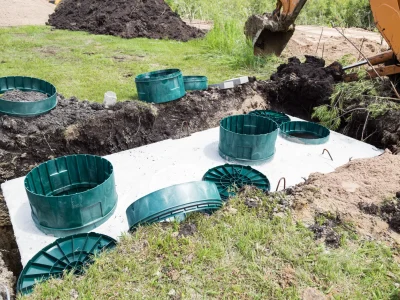
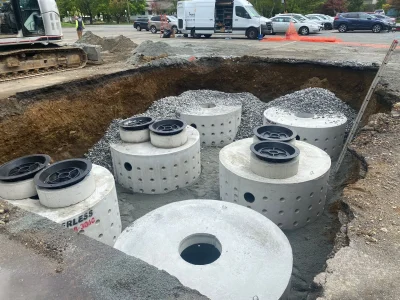

Rural homeowners in Wantage deal with a set of wastewater realities that people on municipal sewer lines rarely think about. A house may sit on several quiet acres, enjoy distance from neighbors, and have room for gardens, sheds, and a long gravel drive, yet all that independence usually depends on one hidden system working properly underground. When that system struggles, the problem does not stay hidden for long. Wet spots in the yard, odors near the tank, sluggish drains, and repeated pumping bills have a way of turning a peaceful property into a maintenance headache.
That is where advanced onsite treatment systems enter the conversation. The phrase norweco singulair green Wantage NJ comes up often because homeowners in Sussex County are looking for options that fit larger lots, variable soils, and the long-term demands of year-round living. A conventional septic setup still works well in many situations, but it is not the best answer for every property. In areas where soil conditions are less forgiving, where an older system is approaching failure, or where a homeowner wants a more dependable and environmentally responsible upgrade, a treatment unit like the Norweco Singulair Green can offer meaningful advantages over time.
The long-term value is not just about cleaner effluent. It is about protecting the property, reducing risk, supporting home use patterns that change over the years, and avoiding the cycle of patch-and-repair that often follows an aging or undersized system.
Why rural properties in Wantage put more pressure on septic decisions
Wantage is not one-size-fits-all from a wastewater perspective. One property may have well-drained soils and plenty of separation from wells and surface water. Another may deal with seasonal saturation, tighter site constraints, older infrastructure, or additions that have changed water use since the original septic was installed. In rural areas, a septic system is not a convenience feature. It is part of the home’s core infrastructure, on the same level as the well, the roof, and the heating system.
That matters because families do not use homes in static ways. A two-person household can become a five-person household. A spare room becomes a home office, then a guest suite. A finished basement adds laundry and another bathroom. Weekend use turns into full-time occupancy. I have seen plenty of properties where the septic system was technically functional on paper but no longer matched how the house actually lived. Those are the homes that often benefit from a more robust treatment approach.
For rural homeowners, the best long-term system is usually the one that creates margin. Margin for guests. Margin for wet weather. Margin for the reality that no one uses water exactly as the original permit anticipated twenty years ago.
What the Norweco Singulair Green system is really designed to do
The Norweco Singulair Green is an aerobic treatment system. That term can sound more technical than it needs to. At the practical level, the system introduces oxygen into the treatment process so naturally occurring bacteria can break down wastewater more thoroughly than in a basic septic tank alone. The result is higher-quality effluent leaving the treatment unit.
That cleaner discharge matters because the drain field or dispersal area is often the most expensive part of the system to repair or replace. When wastewater reaches the soil in better condition, the soil has less treatment work to do. Over time, that can reduce stress on the disposal area and improve overall system performance.
Homeowners sometimes assume that all septic systems are basically the same underground. They are not. A conventional system relies heavily on the tank for solids separation and the soil for final treatment. An advanced treatment unit like the Singulair Green performs much more treatment before the water reaches the soil. For a rural property with challenging conditions or a need for extra reliability, that difference can be significant.
The long game, cleaner effluent can protect the most expensive part of the system
When I talk with homeowners about lifetime cost, many initially focus on the purchase and installation price. That is understandable. A new wastewater system is a serious investment. But the installation number tells only part of the story. The more useful question is this: what will the property owner likely spend, or avoid spending, over the next ten to twenty years?
The drain field is often where the real financial pain starts. Once a disposal area clogs, saturates, or begins to fail, repairs can become disruptive and expensive. On some rural properties, access alone adds cost. Trees may need removal, established landscaping may be disturbed, and if usable replacement area is limited, the options can narrow fast. A system that sends better-treated water to the soil can help preserve that downstream component.
No responsible contractor should promise that any treatment unit will eliminate future problems. Soil still matters. Water use habits still matter. Maintenance still matters. But better pretreatment usually gives a rural homeowner a stronger position than relying on a marginal conventional setup that is already close to its limits.
Better performance on sites where conventional systems have less room for error
Some properties in and around Wantage have perfectly suitable conditions for traditional systems. Others do not. High groundwater, restrictive layers in the soil, topography, and legacy site constraints can all complicate design. In those cases, advanced treatment systems are often considered because they can improve the quality of effluent before dispersal, which may open up more practical design options under local rules and engineering requirements.
This does not mean every rural lot needs an aerobic treatment system. It does mean that homeowners with difficult sites should look at long-term function rather than defaulting to the cheapest familiar design. I have seen cases where a homeowner spent less upfront on a basic replacement, only to face recurring service issues, poor drainage, and ongoing anxiety every wet season. A more capable treatment system would have cost more at the start, but less in frustration and corrective work down the road.
That trade-off is especially relevant for people who plan to stay in their homes. If the property is a long-term family residence, the decision should be judged over years, not just over the week the installation invoice arrives.
A practical fit for growing households and modern water use
Older septic systems were often sized and installed during a period when homes used water differently. Fewer large tubs, fewer high-capacity washers, fewer full baths, and different occupancy patterns all shaped those designs. Today, even efficient homes can place uneven demands on wastewater systems. Back-to-back showers, laundry days, visitors over holiday weekends, and home-based work routines create usage spikes that many rural households know well.
The Norweco Singulair Green does not change the laws of hydraulics. If a system is abused, overloaded, or neglected, problems can still develop. What it can do is provide a higher level of treatment that better supports the realities of modern occupancy. For a family that expects children to grow, parents to move in, or guests to visit regularly, that extra treatment capacity can offer welcome resilience.
One Sussex County homeowner once described it well after replacing an older setup. Before the upgrade, every heavy-use weekend carried a low-grade worry. After the new system was in and operating properly, the household stopped organizing life around what the septic might tolerate. That kind of peace of mind has value, even though it does not show up neatly on a spreadsheet.
Environmental benefits that matter on private land
Rural homeowners often have a direct relationship with their land. They use the yard, maintain gardens, protect trees, and pay attention to drainage patterns because no municipality is doing that work for them. On a property with a private well, wastewater treatment is not an abstract environmental issue. It is tied to the health of the site itself.
Advanced treatment systems can reduce organic load and improve effluent quality before it reaches the soil. Depending on the design and local requirements, that can support better overall environmental performance than a struggling conventional system. The benefit is not only theoretical. Cleaner discharge can help lower the risk of nuisance conditions such as odors, soggy surface areas, and stressed sections of lawn over the disposal area.
In places where homes are spread out, people sometimes assume environmental risk is minimal because there is so much land. In practice, distance does not automatically solve poor treatment. A failing septic system can still affect local groundwater, nearby drainage areas, and the usability of the property itself. For homeowners who care about stewardship as much as function, that is one of the strongest arguments for considering a higher-performing treatment unit.
Maintenance is real, but it is manageable
One reason some homeowners hesitate to explore systems like the Norweco Singulair Green is the assumption that advanced treatment automatically means constant attention. That concern is understandable, and it deserves an honest answer. These systems do require maintenance. They are not bury-and-forget infrastructure in the way some people imagine a basic septic tank to be.
The better way to look at it is this: all septic systems need oversight, but not all neglect shows up at the same speed. A conventional system can go years with minimal attention, then reveal serious problems all at once. An advanced treatment unit usually asks for more structured service, but in exchange the homeowner gets a system that is being watched, tuned, and supported before small issues become expensive ones.
For most rural homes, the maintenance burden is not excessive if the system is properly installed and the owner works with a qualified service provider. Typical care often includes inspections, component checks, sludge monitoring, and periodic pumping based on actual use. That is not a drawback so much as the normal cost of owning critical infrastructure responsibly.
A useful way to think about it is to compare septic service with furnace service. The homeowners who schedule regular maintenance rarely describe it as wasted money. They see it as the price of avoiding cold-weather failure. Wastewater systems deserve the same mindset.
Where the economics often make sense
The raw installation price of an advanced treatment system is usually higher than that of a simple conventional setup, though exact costs depend heavily on site conditions, permits, engineering, and the type of dispersal field required. In rural New Jersey, excavation complexity, grading, electrical work, and replacement of site features can influence the final number as much as the treatment unit itself.
Still, the long-term economic case can be solid, especially in these situations:
- the existing septic system is aging and the drain field shows signs of stress
- the property has soil or site limitations that make conventional replacement difficult
- the homeowner plans to stay in the house for many years
- household water use is likely to increase or fluctuate substantially
- protecting resale value is a priority
Those are not guarantees of payback, but they are strong signals that looking beyond upfront cost is wise. A cheap system that struggles every few years norweco singulair green Wantage NJ is rarely cheap in practice. Repeated pumping, troubleshooting, emergency visits, and eventual replacement can narrow the gap faster than many people expect.
Resale value and buyer confidence
norweco singulair green Wantage NJ Excavating New Jersey LLCRural home sales often hinge on a handful of infrastructure questions. Buyers want to know about the well, the roof, the heating equipment, and the septic system. A house can show beautifully and still lose momentum if the wastewater setup feels uncertain. Buyers have become more educated about septic risk, and many lenders, inspectors, and attorneys pay close attention to the condition and age of these systems during a transaction.
A well-documented, professionally maintained advanced treatment system can improve buyer confidence. It signals that the homeowner addressed wastewater needs thoughtfully rather than deferring a problem. That does not mean every buyer will understand the technical details immediately. Some will need explanation. But clear maintenance records, design documents, and a system with a reputation for strong treatment can make a meaningful difference in how the property is perceived.
I have seen rural buyers become more comfortable with a home after they learned the system was modern, serviceable, and installed with long-term use in mind. The opposite is also common. Mention an old septic of uncertain age with a history of wet spots, and the negotiation often shifts quickly toward discount requests or contingency pressure.
What homeowners should ask before choosing a system
The best outcomes usually come from slowing down at the decision stage. A treatment system should fit the property, not the other way around. For homeowners exploring norweco singulair green Wantage NJ, the quality of the evaluation matters as much as the brand itself. Good design starts with the site and with realistic expectations for occupancy, water use, and maintenance.
A few questions are worth asking early in the process:
- What are the property’s specific soil and drainage constraints?
- How will the proposed system affect the size, type, and longevity of the disposal area?
- What maintenance schedule is required, and who will perform it?
- How does the system handle seasonal occupancy changes or high-use periods?
- What records should be kept for future service and resale?
Those questions help separate a thoughtful recommendation from a generic sales pitch. If the answers are vague, that is useful information too.
Installation quality matters as much as equipment quality
A strong treatment unit installed poorly will not deliver the benefits the homeowner expects. This is one of the most important realities in onsite wastewater work. Elevations, electrical connections, control settings, venting, access, pumping intervals, and final grading all influence how the system performs over time.
On rural sites, installation details can become even more important because the landscape is less standardized than in suburban subdivisions. Long runs from the house, sloped yards, tree roots, wet areas, and access limitations can complicate work. A contractor who understands local conditions in Sussex County is often better positioned to anticipate these variables than someone treating the job like a routine swap.
The same principle applies after installation. Homeowners should know where components are located, what alarms or controls mean, and whom to call if performance changes. A short orientation at handoff can prevent a lot of confusion later.
Common misconceptions that deserve a closer look
One misconception is that advanced treatment systems are only for problem properties. They are certainly useful there, but they also make sense for homeowners who want cleaner treatment and stronger long-term performance even on decent sites.
Another is that more advanced means fragile. In my experience, systems fail more often from neglect, misuse, or poor installation than from being inherently too sophisticated. A well-supported system with routine service is often more predictable than an older conventional system that no one has evaluated in years.
There is also the belief that if a conventional septic system has not failed yet, there is no reason to think ahead. That can be expensive logic. Wastewater systems often deteriorate gradually. By the time symptoms are visible, options may be narrower and more costly. Planning before failure usually leads to better design choices and less disruption.
The rural homeowner’s perspective, less drama over time
What most homeowners want is simple. They want to use their home normally, avoid unpleasant surprises, and protect the land they have worked hard to maintain. They do not want a wastewater system that becomes a recurring source of uncertainty every spring thaw or holiday gathering.
That is why the long-term benefits of a system like the Norweco Singulair Green matter. For the right property in Wantage, the value shows up in quieter ways than marketing language suggests. The lawn stays usable. The drain field has less stress. The service plan is clear. The owner has records. Buyers later see an asset rather than a risk. The house functions the way a rural house should, independently and without constant second-guessing.
For homeowners weighing whether norweco singulair green Wantage NJ is the right fit, the smartest approach is to think in decades, not just invoices. Wastewater systems rarely reward short-term thinking. On a rural property, good infrastructure is not only about solving today’s problem. It is about giving the land and the home a better chance to age well together.
Excavating New Jersey LLC
406 County Rd 565
Wantage, NJ 07461, United States
Phone: +1 (973) 791-4284
FAQ About norweco singulair green Wantage NJ
How does a Norweco septic system work?
Singulair Green uses aerobic biological treatment in a polyethylene tank, followed by settling and filtration. The treatment unit is one part of a complete wastewater system; the site design also determines how treated effluent is dispersed.
How much does a Norweco septic system cost in NJ?
A useful estimate requires a property evaluation. Excavation access, soil conditions, engineering, electrical work, the disposal field, and restoration can affect the total. Ask Excavating New Jersey LLC for a written scope that distinguishes installation costs from ongoing service costs.
Are Norweco septic systems good?
Singulair Green is an established aerobic treatment option, but suitability depends on the property and proposed design. Compare the model's documented performance, maintenance needs, and total project scope with alternatives before deciding.